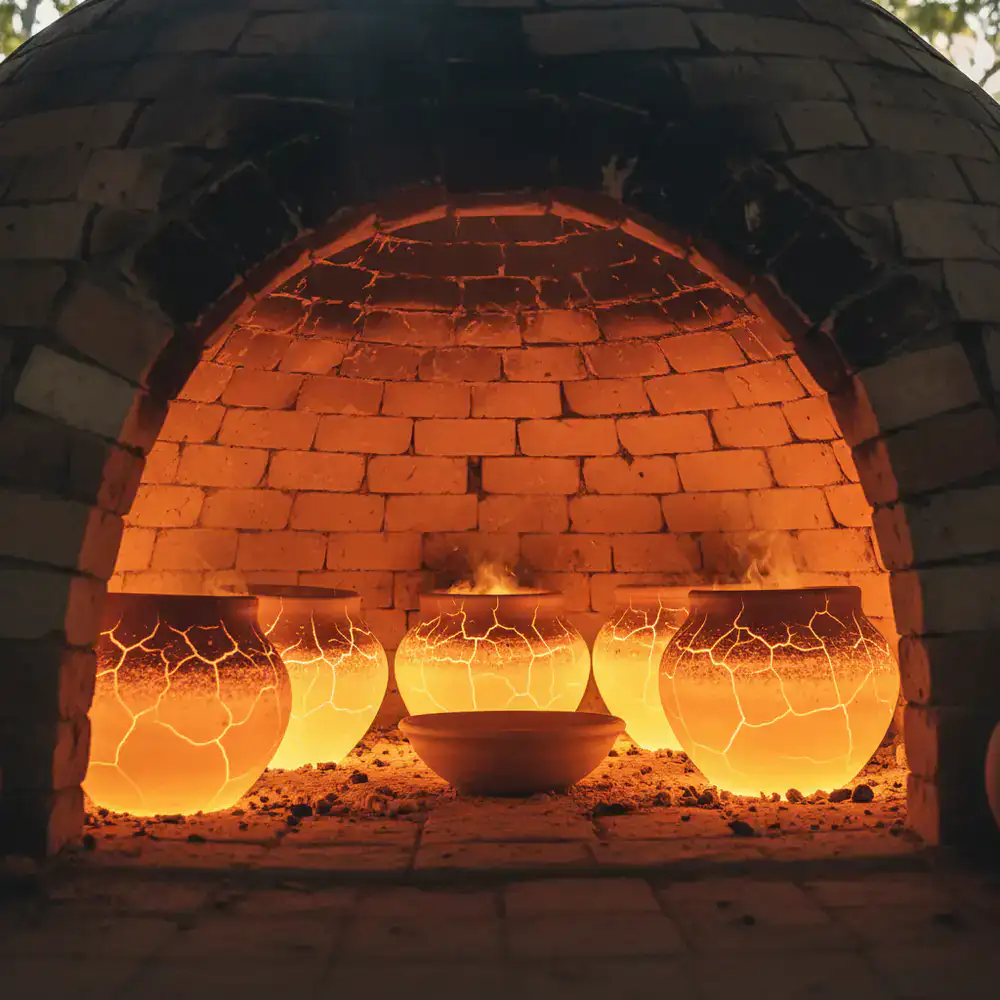
Ceramics
Fired by Hand: From Earth to Vessel
Transforming raw clay into enduring ceramics requires an understanding of the elements. See how control over intense heat defines the final glaze.
Discover the dedication, patience, and historic techniques that breathe life into every handcrafted piece. We document the raw materials and the careful hands that shape them.
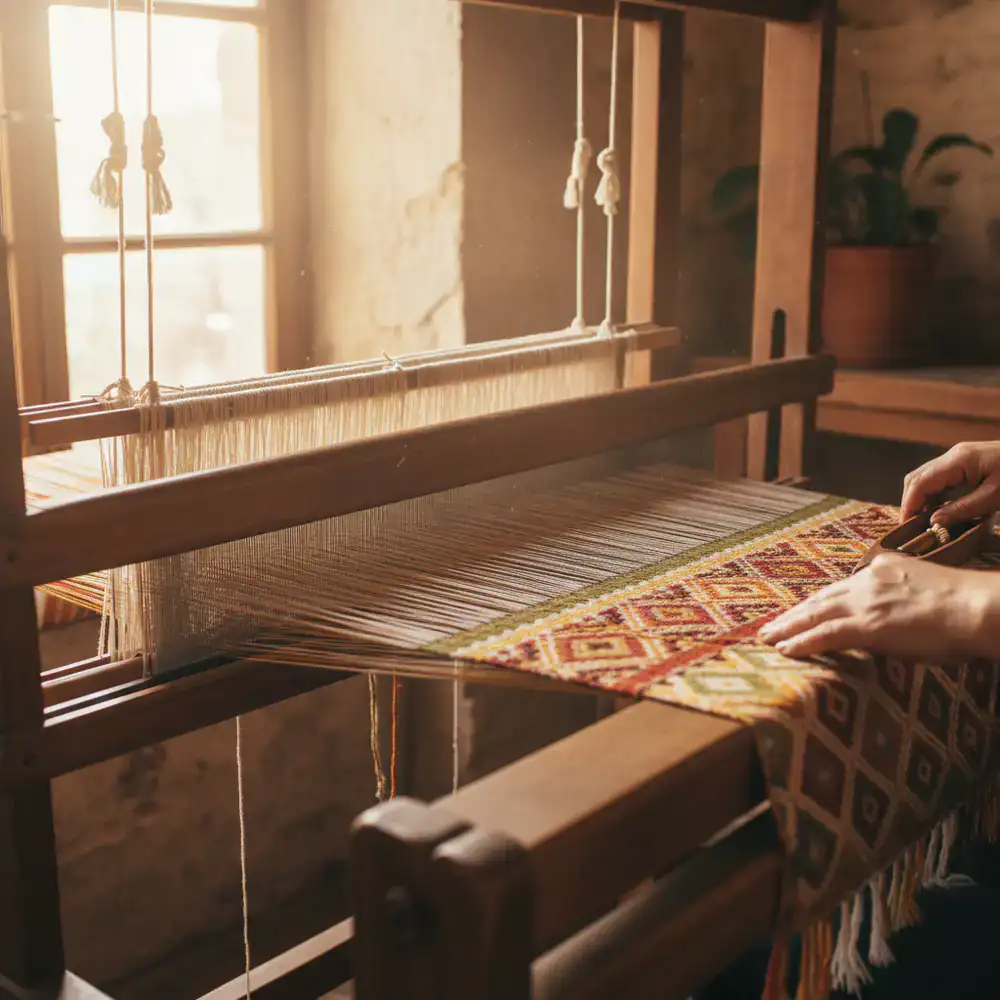
Every thread holds a distinct purpose. We spent a week observing master weavers to fully understand how intricate geometric patterns are preserved entirely in memory, without a single written blueprint.
The process begins long before the loom is strung. Yarns are carefully hand-dyed using local botanical extracts, drying under the open sky until they achieve the perfect muted earth tones. Only then does the true weaving begin.
Transforming raw clay into enduring ceramics requires an understanding of the elements. See how control over intense heat defines the final glaze.
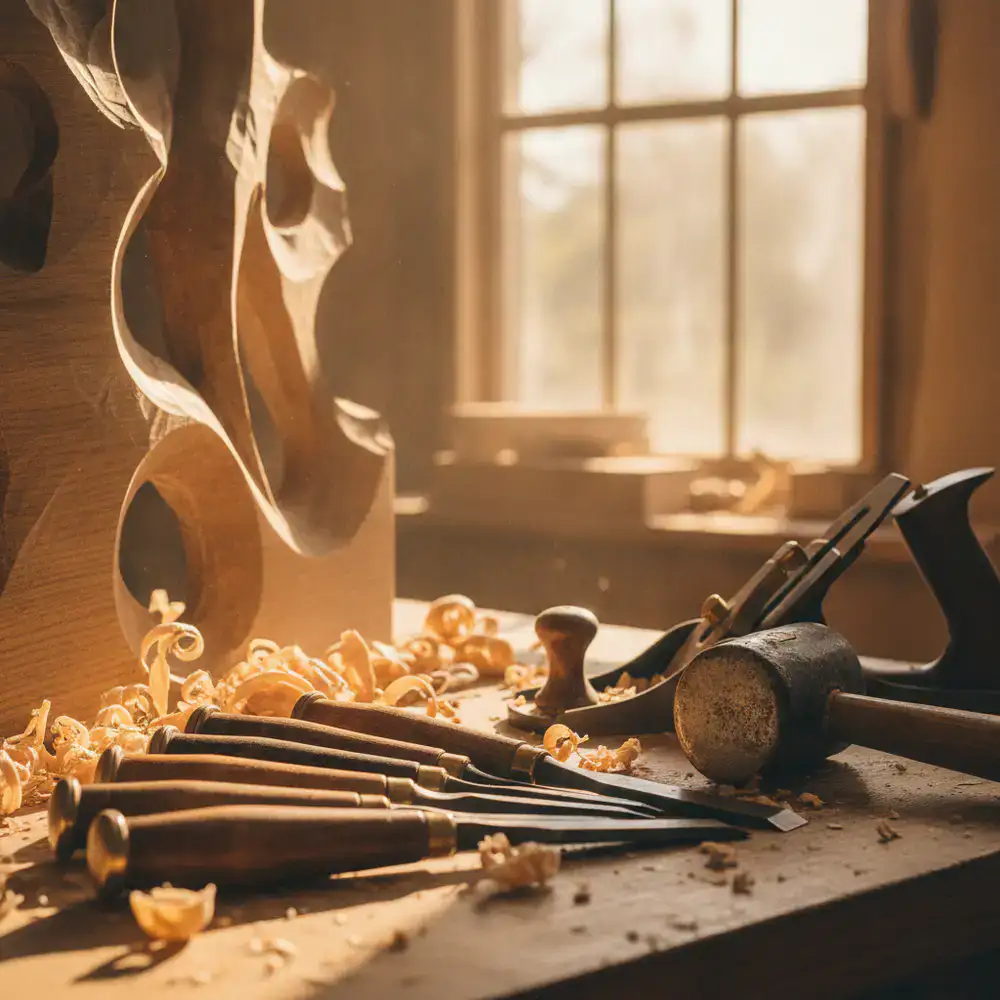
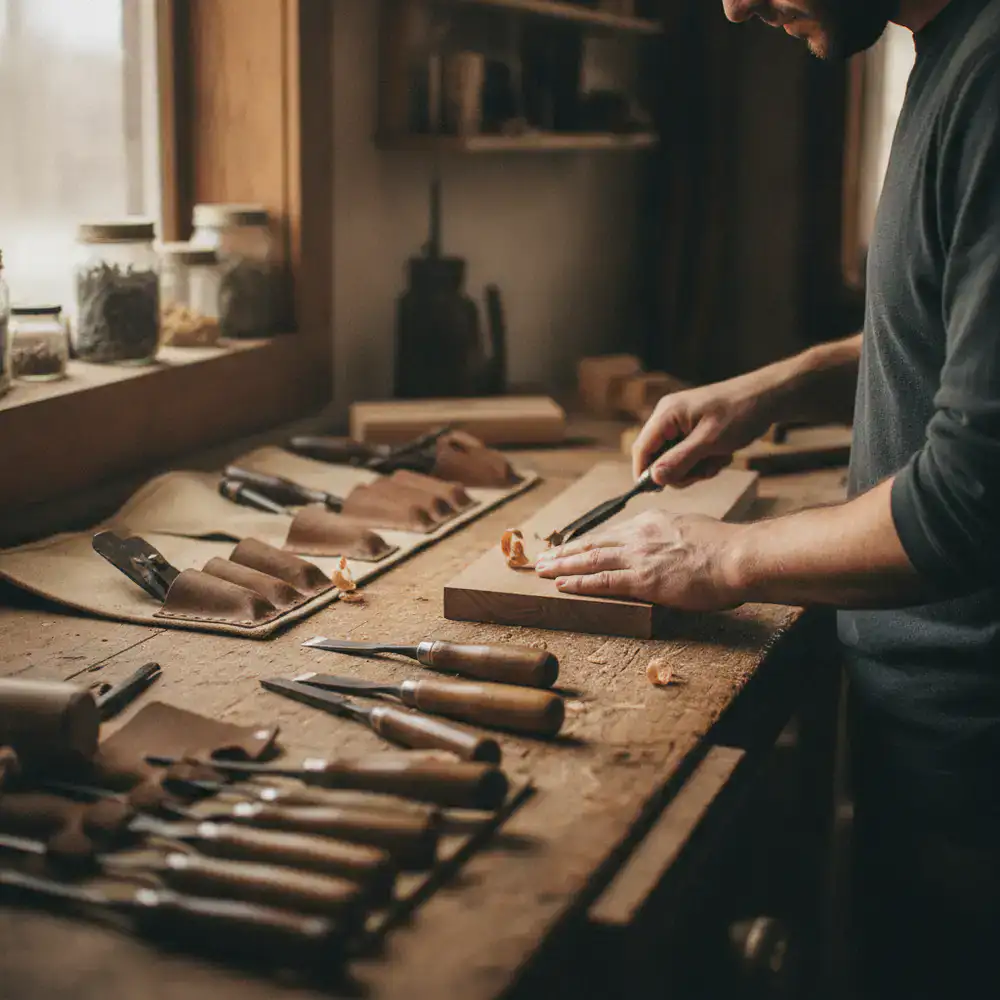
Discovering the hidden grain within fallen timber, and the slow, deliberate cuts required to create lasting functional art.
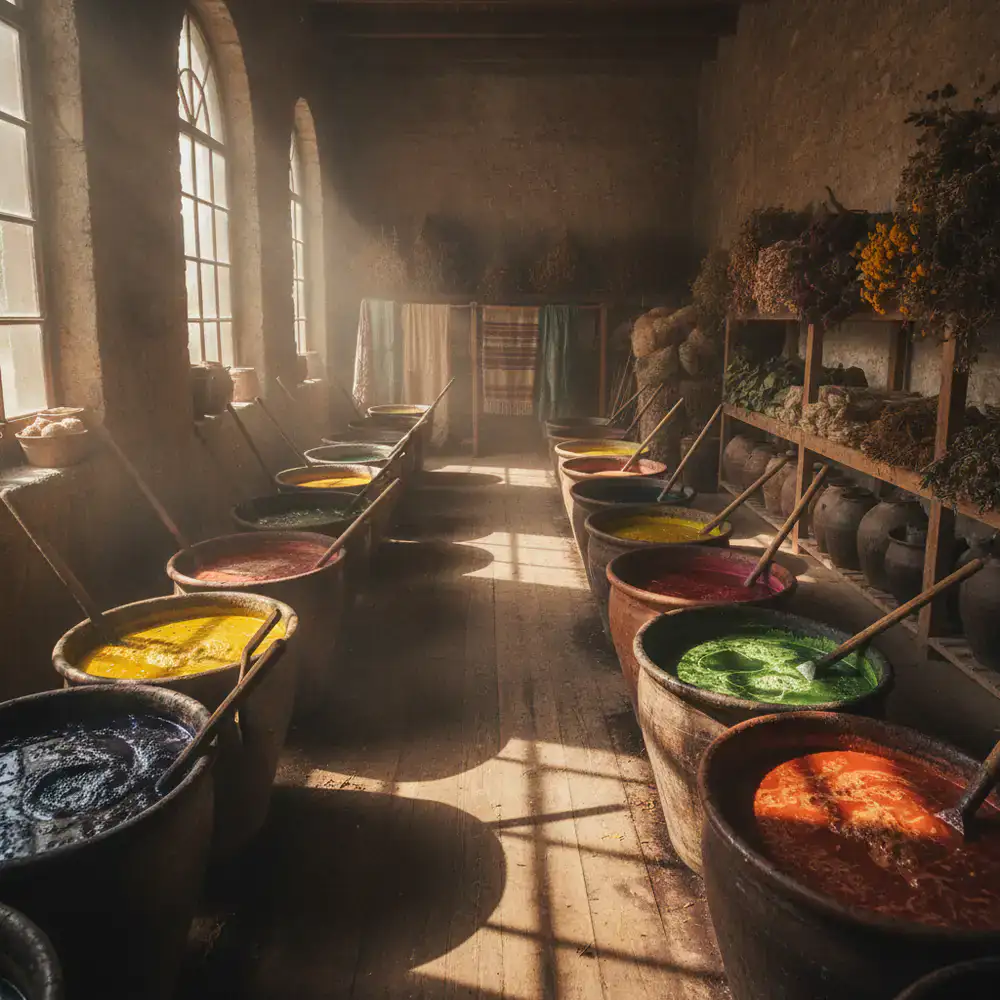
Foraging for roots, bark, and leaves to extract vibrant hues without the use of harsh industrial chemicals.
Common questions about the dedication it takes to create handmade goods, answered directly by our artisan community.
Every item dictates its own timeline. A hand-thrown ceramic mug might take two weeks from the first wedge of clay to the final kiln cooling. A deeply patterned woven shawl, however, can easily require over a month of daily focused labor at the loom.
Sourcing locally is foundational to authentic craft. Wood is often reclaimed or sustainably harvested nearby. Clays are blended from regional deposits, and textile fibers are spun from locally grown materials to ensure the smallest possible environmental footprint.
The majority of these skills are inherited through generational apprenticeship. A master artisan teaches their apprentices over years of side-by-side work. It is an oral and tactile history that cannot simply be read in a manual.
Every mark, glaze, and thread carries the history of its making. Support local artisans by bringing their authentic crafts into your daily life.
Explore the MarketplaceOur editorial team is always looking to document genuine handcrafted processes. Reach out to us directly.